


Key Takeaways:
- Excess nitrogen from septic systems is a major source of water pollution, causing environmental challenges such as algal blooms and fish deaths.
- Modern solutions, such as carbon-amended systems and advanced sensors, are proving highly effective, with over 90 percent reductions in nitrogen discharge.
- Community initiatives, public awareness, and regulatory backing are essential for the successful use of nitrogen-reducing septic solutions.
Understanding the Impact of Nitrogen Pollution
Septic systems are common in areas lacking centralized sewage treatment, especially in suburban and rural regions. While these installations provide on-site wastewater management, they typically do not efficiently remove nitrogen, which can then seep into groundwater and waterways. In excess, nitrogen fuels environmental problems such as harmful algal blooms, degraded aquatic habitats, and low-oxygen “dead zones.” For instance, studies in Massachusetts have shown that septic tanks contribute to 80 percent of the manageable nitrogen load impacting local estuaries, damaging water quality and aquatic life over time. Advocates for cleaner water are now looking more closely at nitrogen-reducing septic systems to help tackle this growing concern.
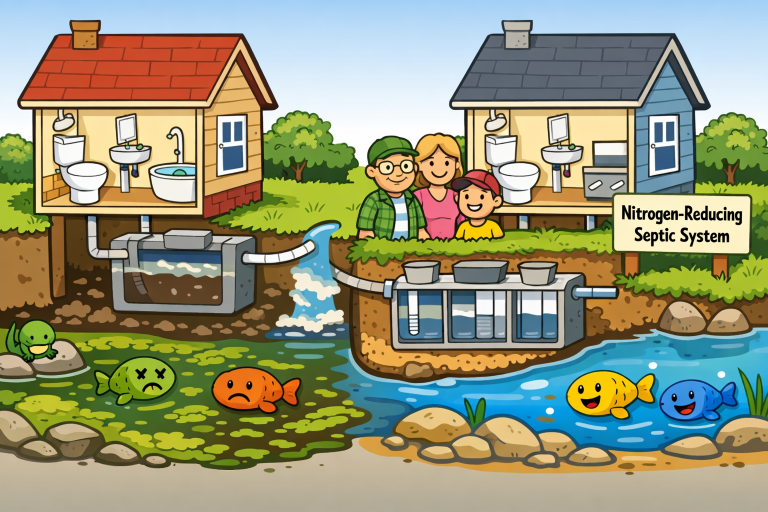
When excess nitrogen from household wastewater enters local water bodies, it acts as a fertilizer for algae, triggering unchecked blooms that cloud the water and consume oxygen as they decompose. These blooms not only spoil recreational waters but can also release toxins dangerous to people and pets. Such ecological imbalance often results in fish kills and the collapse of vital aquatic ecosystems.
Communities located near lakes or coastal areas are acutely aware of these risks, experiencing firsthand the connection between untreated wastewater and water pollution. Effective nitrogen management is vital to preserving drinking water resources, supporting recreational activities, and protecting the overall health of aquatic environments.
For homeowners and builders, making informed choices about septic technology can play a direct role in protecting regional water quality. In addition to advanced nitrogen-removal systems, reliable service providers like a septic tank supplier can guide renovations or new installations that meet modern standards.
Innovative Solutions for Nitrogen Reduction
Engineers and scientists are responding with high-performance onsite wastewater treatment innovations. Carbon-amended septic systems are leading the field, using specially designed filters and bioreactors that enable natural bacteria to convert nitrogen compounds into harmless nitrogen gas. This approach has demonstrated more than 90 percent reduction in nitrogen loading, particularly in pilot projects across places like Barnstable County, Massachusetts.
These advanced systems use materials such as wood chips or other carbon sources, supporting microbial processes that break down nitrogen pollutants before they leave the septic tank. Retrofitting existing septic tanks or including such features in new installations is becoming a practical step in watershed protection efforts nationwide.
The Role of Advanced Nitrogen Sensors
Reliable monitoring is key to ensuring these enhanced systems perform as intended. The latest septic solutions incorporate advanced sensors that provide real-time data on nitrogen concentrations in effluent. Cutting-edge technology, developed with support from the Environmental Protection Agency (EPA), lets homeowners and regulators track system performance, catch problems early, and verify effectiveness over time.
Community Initiatives and Regulatory Support
Local governments and communities have a critical role in scaling up the adoption of nitrogen-reducing septic solutions. Examples like Lake County, Florida, demonstrate successful community-based approaches in which distributed wastewater treatment programs bring advanced units directly to homeowners’ properties. This approach has removed thousands of pounds of nitrogen from sensitive waters, at a reasonable cost and with minimal disruption to households.
Regulatory frameworks are increasingly rewarding innovation, offering incentives for homeowners who upgrade their systems and streamlined approvals for next-generation technologies. Educational campaigns are also helping raise awareness of the environmental importance of septic care and the benefits of nitrogen reduction.
Challenges and Considerations
Transitioning from conventional to advanced nitrogen-reducing septic technology does come with challenges. Upfront installation costs can be higher, and public understanding, as well as homeowner willingness to invest, must be addressed through outreach and financial support. Regulatory approvals may still lag behind technology, making partnerships between public agencies and local businesses key to progress. Ensuring that every new system is installed, maintained, and serviced correctly is crucial to achieving consistent long-term nitrogen reductions. Guidance from trusted suppliers and environmental consultants is essential in this process.
Future Directions
Continuous research is making nitrogen-reducing systems more effective and affordable, broadening the range of suitable options for residential properties. As environmental concerns rise and regulations evolve to prioritize water quality, demand for innovative septic solutions will grow. Integrating nitrogen mitigation systems with other sustainable practices, such as rain gardens or green infrastructure, can jointly improve resilience against pollution and floods, benefiting both people and wildlife. Future collaboration between environmental scientists, government agencies, the private sector, and communities will further accelerate improvement and adoption of these vital technologies.
Conclusion
Reducing nitrogen pollution from residential septic systems remains a central priority for preserving clean water and healthy aquatic habitats in many communities. Innovative, proven solutions, strong community involvement, and policy support are combining to make significant strides against this problem. As the market and technology evolve, cost-effective advanced systems and better education will ensure lasting improvements for water quality and public health, setting new benchmarks for environmental stewardship.
